Waitahora Catchment Area

Waitahora Catchment Area

The Waitahora Landcare Collective started in 2019 and is a sub-catchment of the Manawatū River Catchment Collective. We have a core group of beef and sheep farmers, and a wider group including farmers and life stylers.

We have completed a number of projects including planting of native plants along waterways, control of invasive weeds, water quality and stream life initiatives, farm-planning and community wellbeing and social activities.

These activities have all been working towards our goals of securing the future of the Mangatoro River as a valuable asset to the valley, for all in our community to enjoy, having a good environment for both ongoing farming and for our outdoors interests. We also wish to continue to have a positive, engaged and well connected community.

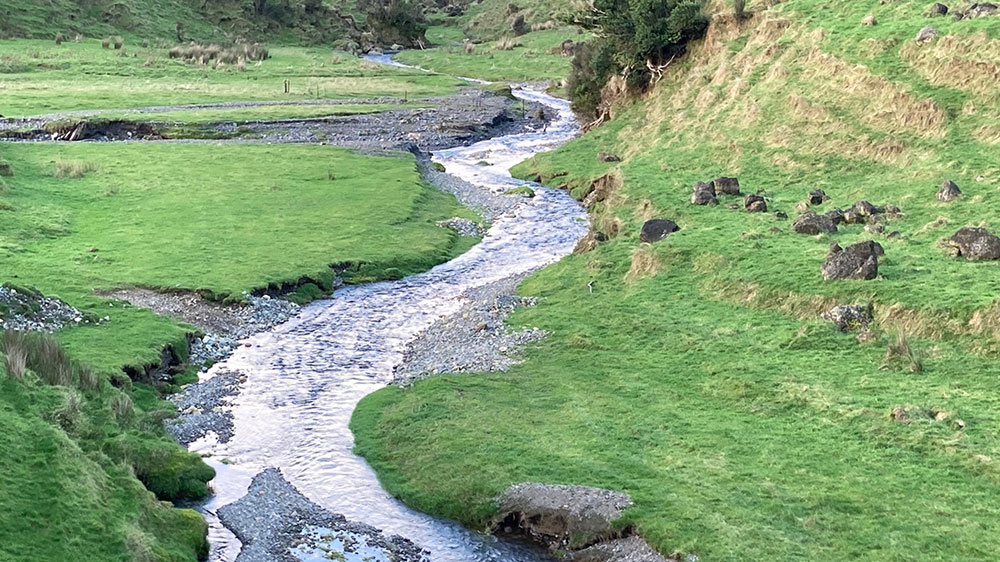
Waitahora has a distinct valley catchment area with the Mangatoro River running through it for 40km from its source, growing in size and flow until it eventually feeds into the Manawatū River. The Mangatoro is fed by springs and rainfall catchment. Our plans for the future included increasing the rate of planting of trees to help stablise our vulnerable geology.

Waitahora Catchment Map
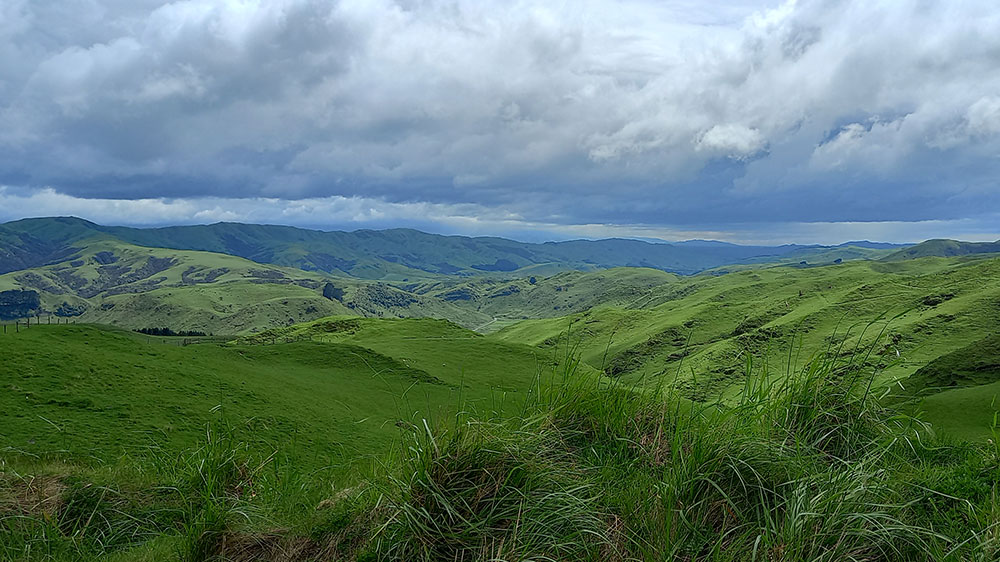
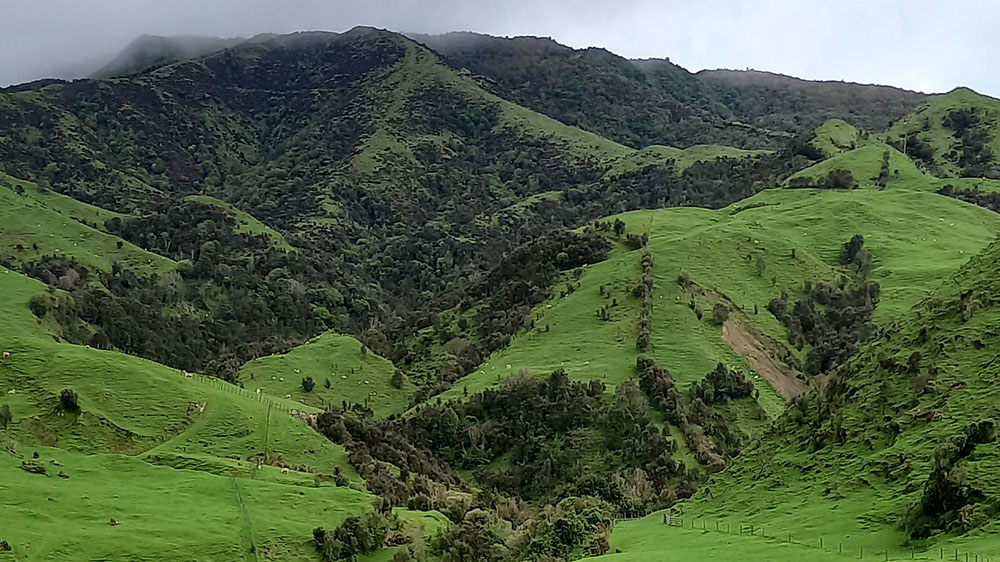
Waitahora Catchment Hills
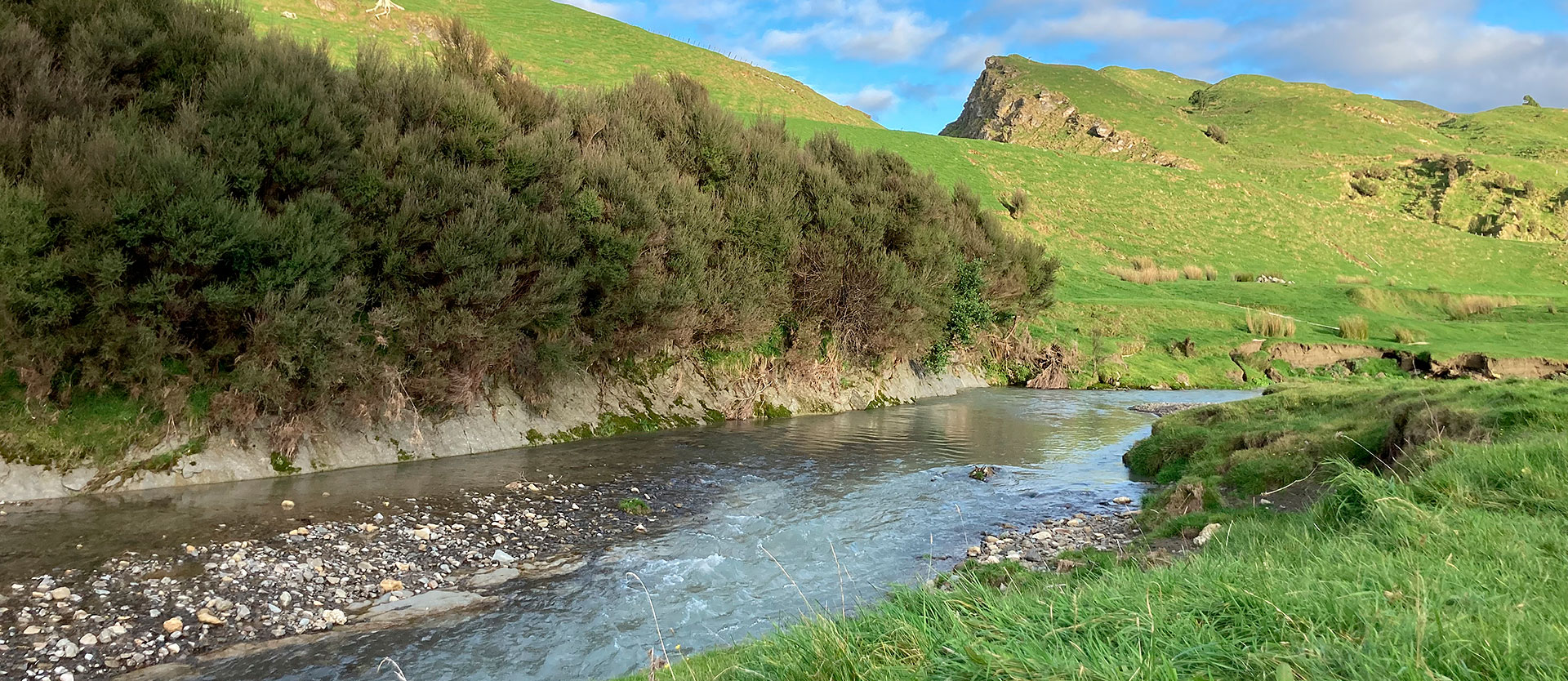
Waitahora Catchment Stream
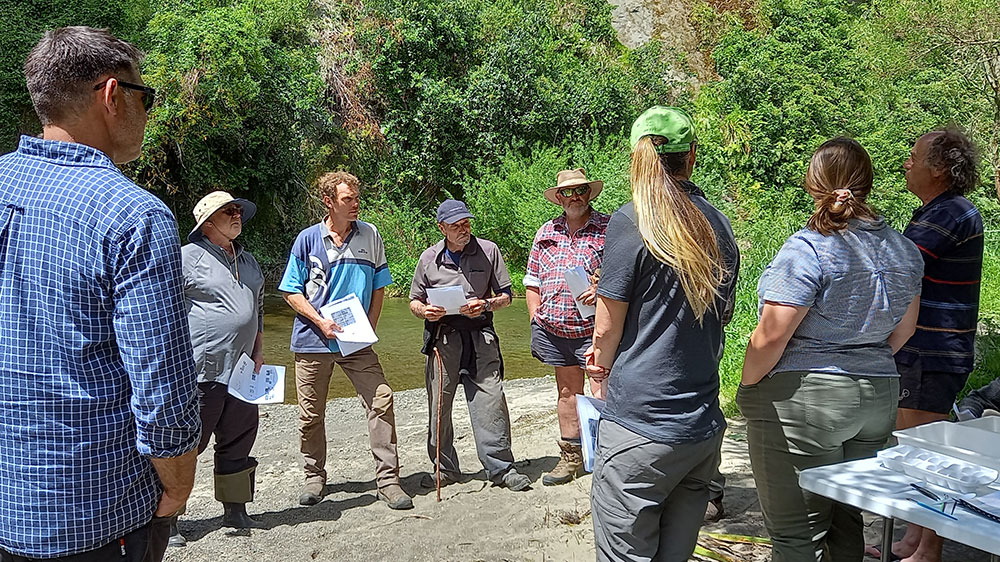
Waitahora Catchment Community Group
Waitahora Catchment Farmland

On-going projects

Off-the-charts nitrates… but not from today’s farming!

Group Lead Darcy Hooper Smith with the team from the Waitahora Group is on a mission to uncover why nitrate levels are off the charts at the source of our crystal-clear spring water.

The surprising truth? It isn’t linked to today’s farming practices. Something deep underground – hidden beneath the surface – is driving these elevated levels.

We’re taking proactive steps to understand the real source because knowing the truth is crucial for protecting our rivers, environment, and communities.

Waitahora Pole Planting Project

This trial nursery is an exciting initiative developed and led by our catchment group, now in its third year. The project focuses on growing two varieties of poles – willow and poplar – chosen for their proven effectiveness in land stabilisation.

The idea behind this work is simple but powerful: reinforcing our land to better withstand extreme weather events. The devastating impact of Cyclone Gabrielle in 2023 reminded us just how vulnerable our hillsides can be, and why investing in stabilisation is so important for the future.

This year, we trialled ripping the planting lines instead of boring them, aiming to speed up the process and make establishment more efficient. Once the poles are well established, catchment group members will have access to free poles on a rotational basis, ensuring the project remains sustainable and benefits the wider community.

Our ultimate goals are stronger, more resilient landscapes, improved environmental outcomes, and a project that brings the community together to care for the land we all share.

manawatu river catchments collective image