Catchment News
Linking our catchment groups together with helpful news and information.
High risk water lily resurfaces
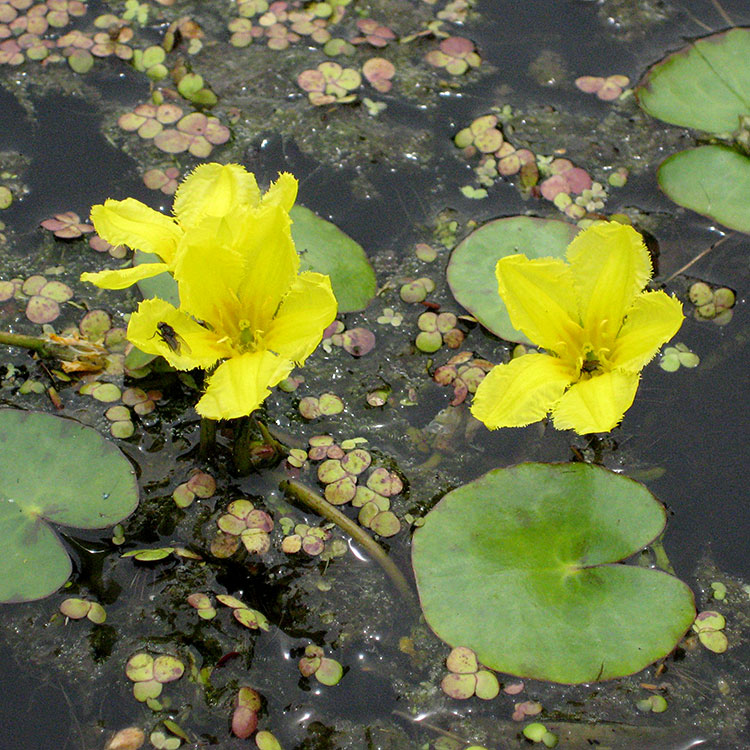
Nymphoides peltate (Fringed water lily, also known as Entire marshwort, yellow floating heart has been found in the Mangaone catchment.
Thought to have been eradicated in 1998, a recent eDNA test carried out by Mangaone River Catchment group indicated its presence. We need your help to stop it spreading. We are asking people to check their ponds for any unusual lilies or plants growing that have never been seen before.
Read more
MRCC Bat Hunt – We’re on the search for Bats in the Manawatu River Catchment
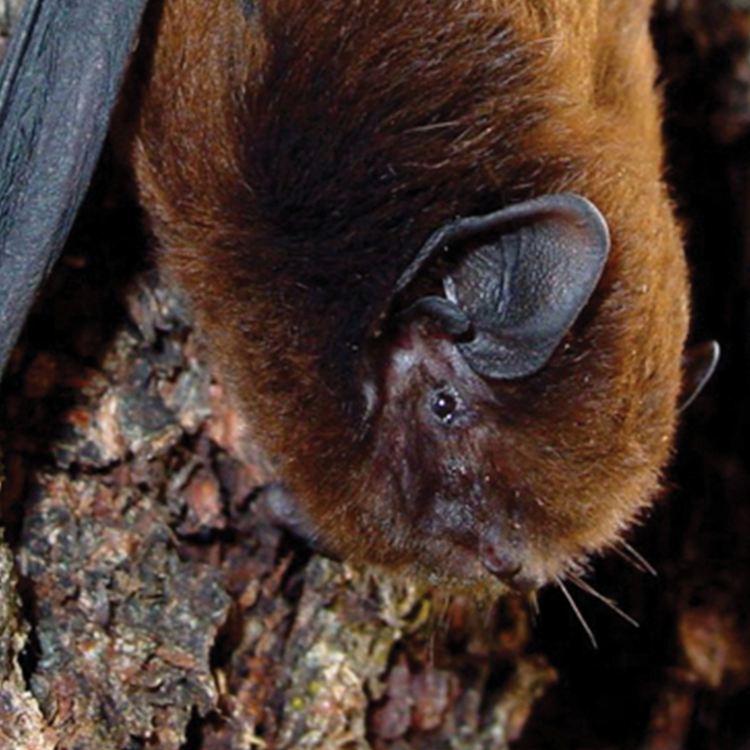
Stand under old trees at dusk, away from busy roads and ideally close to water, and look up to spot their silhouettes. (Remember, they are tiny, about the size of your thumb!)
Don’t shine bright lights on bats. Instead, use an infra-red torch or put red cellophane over a regular torch. Bats are most active during warm, fine nights from October-March. They are very mobile flying up to 60km/hr and over 100km from their roosting sites. They eat insects – caught using echo location.
We have a few handheld bat detectors we can lend out to our catchment groups to assist in the search! (a small, black box that picks up high frequency echo-location calls and converts them into sounds we can hear).
Read more
Moutoa Whirokino Groundwater Monitoring Project
Massey University has been contracted by the MRCC to assess nutrients (nitrogen and phosphorus) flow pathways in Moutoa – Whirokino area.
Massey will analyse the catchment to determine areas of concern with higher nutrient levels to insert mitigation options prior to runoff entering the drains and Manawatū River. They will also monitor and assess the effects of the continuous draining of the soil on the soil structure and if there are ways to improve and control the level of drainage to improve soil conditions. Check out the video to learn more.
Watch the video
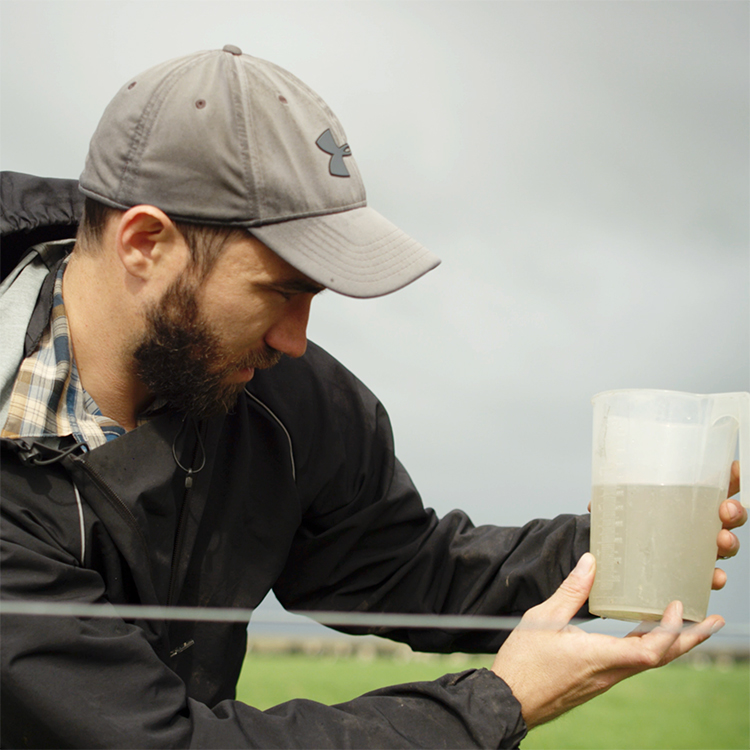
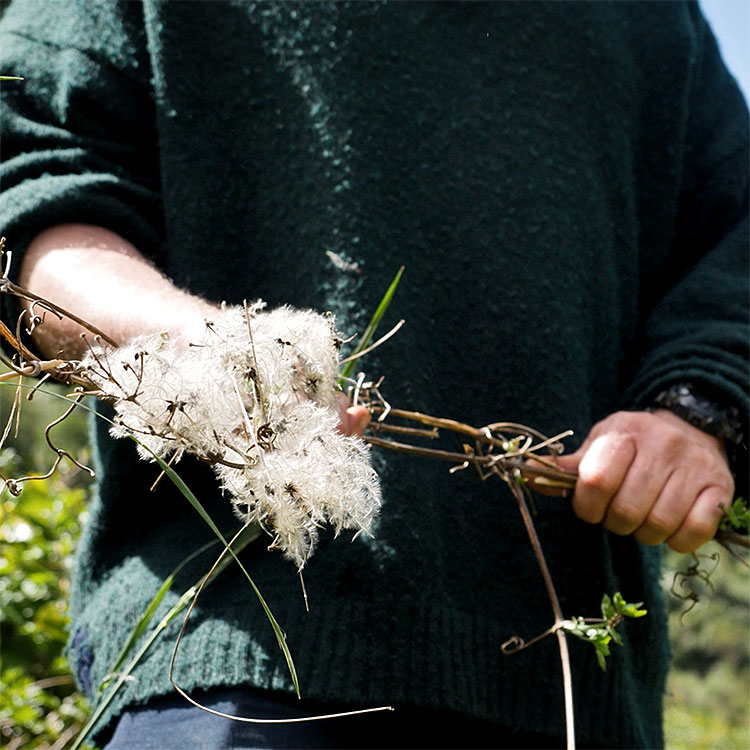
The Makuri Catchment Collective are making it their project to look after the Makuri Gorge for future generations
Matthew Prior, chairman of the Makuri Catchment Collective, talks about locals and farmers linking together to focus on the clean-up of the introduced Old Man’s Beard from the Makuri Gorge area.
Watch the video
It’s the long game for Ihuraua-Upper Tiraumea, as they showcase their catchments 3-year project
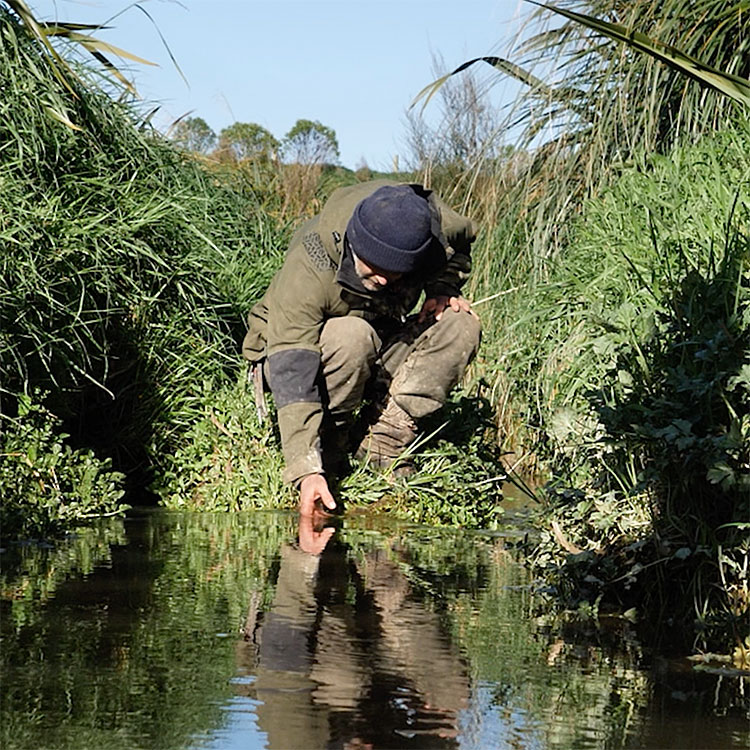
James McKay, from Ihuraua-Upper Tiraumea Catchment, takes us on a journey of the 4Ha Wetland planting project that Alfredton School, Tararua College and the community have been working together on. Planting about 4,000 natives into the area, providing a great ecology for wildlife and a natural filter for the waterways.
Funding by: MRCC, Manawatu River Accord, QEII National Trust and Horizons.
Watch the video
Overseer FM Projects
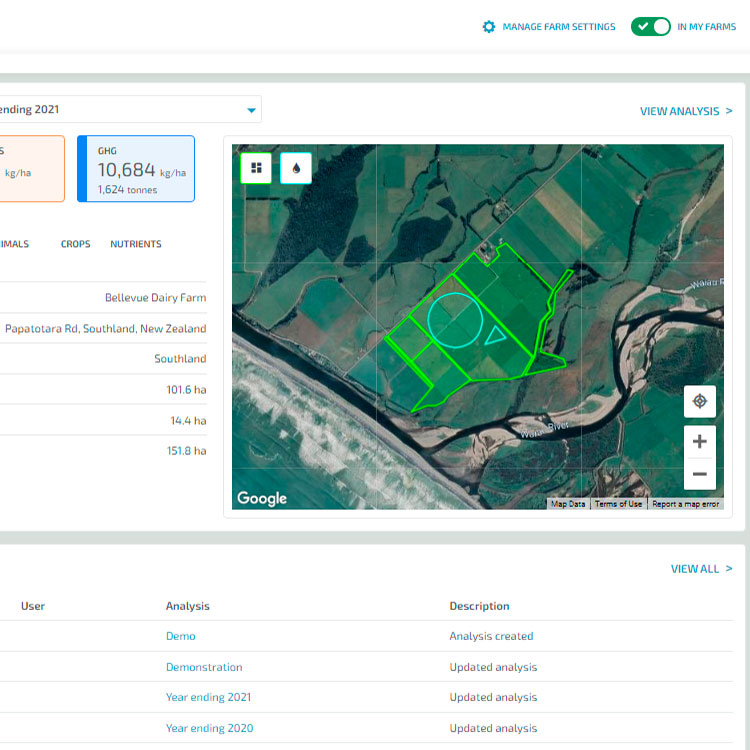
Several of our groups have elected to take up our offer of assisting farmers to complete an Overseer of their farm. OverseerFM is essentially software that helps farmers better understand the nutrient flows on their farms and provides valuable information to support decision-making on farm. It is worth noting that our financiers, our processors, and other organisations are asking if we have the information around our GHG numbers, and environmental plans in place. This will also form part of NZFAP+ going forward.
If do not have an OverseerFM plan in place and would like to know more about how we are supporting our farmers to complete one, please contact your Coordinator.
Fresh Water Farm Plans (FWFP)
A front-of-mind topic, which is also providing some confusion about what and when these are to be completed. Horizons confirm the following for the MRCC area:
- Manawatū will not be requiring FWFP until 2025.
- Horizons will hold a series of workshops on this next year, and we will facilitate the workshops with them.
- The intention is farmers should be able to complete the FWFP themselves with the help of guidance documents, regional council support and local training.
- The plans once completed will need to be certified via Assure Quality or an authorized person.
- Having a SLUI, dairy company environmental plan and/or an Overseer FM plan will provide most of the information you will require for a FWFP.
Consultations are planned for November 2023.

Current Science Projects
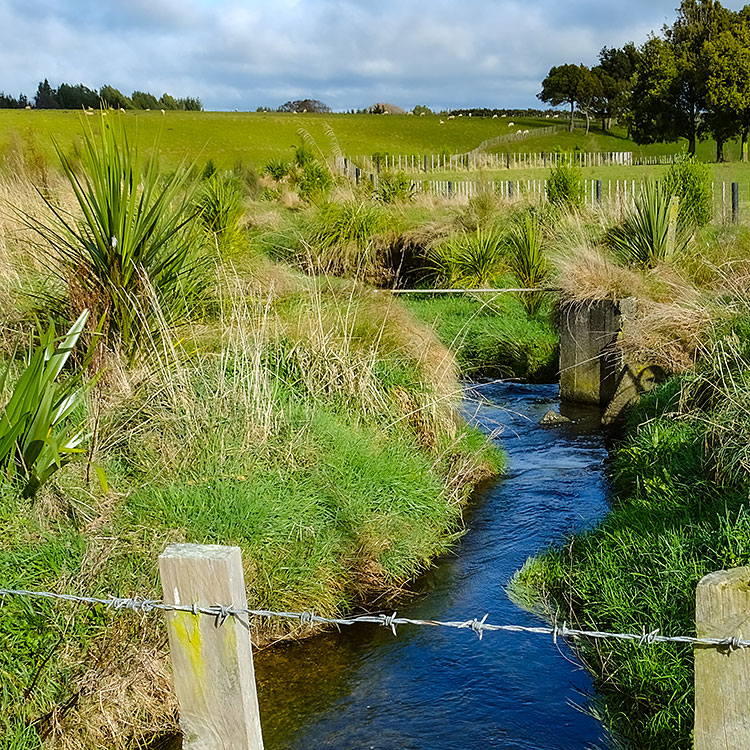
MRCC is committed to involving our catchment groups in science-based research aimed at specific mitigation options to enhance water quality on farm. We are very pleased to be actively engaged with Massey University, AgResearch, DairyNZ and John Paterson to deliver research on farm including:
- Catchment Solutions – Enhancing Rural Capability to Achieve Essential Freshwater Outcomes
- Investigating the effects of controlled/raised water level in drainage systems
- Joint AgResearch/DairyNZ Project exploring E-Coli behaviour
- Detention BundPS120 Scoping and demonstration site
Community Events
We have funded up to $1000 towards a number of community events during the year ranging from a community BBQ and a cricket match to larger outdoor concerts. If you haven’t booked a day for your catchment, please contact your coordinator to organize a day off the farm for the community to come together in a social event. (Current funding is available until November.)